Buy adsnetworkreview.com ?
We are moving the project
adsnetworkreview.com .
Are you interested in purchasing the domain
adsnetworkreview.com ?
domain@kv-gmbh.de · 0541-91531010
Buy adsnetworkreview.com ?
What are demonstrative pronouns and relative pronouns?
Demonstrative pronouns are pronouns that are used to point to specific things or people. Examples of demonstrative pronouns include "this," "that," "these," and "those." Relative pronouns are pronouns that introduce dependent clauses and connect them to independent clauses. Examples of relative pronouns include "who," "whom," "whose," "which," and "that." **
Why are demonstrative pronouns called demonstrative pronouns?
Demonstrative pronouns are called demonstrative because they demonstrate or point to a specific noun or pronoun in a sentence. They help to indicate the position or location of the noun or pronoun in relation to the speaker or listener. By using demonstrative pronouns such as "this," "that," "these," and "those," speakers can make their communication more precise and clear by specifying which person, place, thing, or idea they are referring to. **
Similar search terms for Pronouns
Top-Angebote
Products related to Pronouns:
-
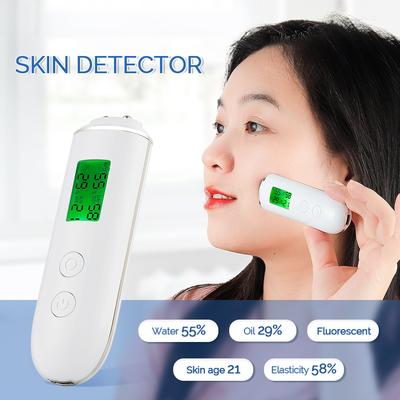
Useful Little Things Digital Skin Analysis Meter And Fluorescent Detection Device whiteChoosing the right skincare routine can feel like guesswork when you rely solely on how your face looks in the mirror. You might apply heavy moisturizing creams to skin that is already overloaded with oil, or use stripping cleansers on a skin...69,97 $*Shipping: 0,00 $Secure redirect to the provider
-
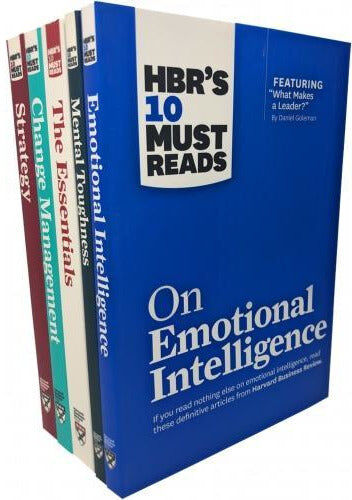
Harvard Business Review Press Harvard Business Review HBR’s 10 Must Reads 5 Book Collection Set – Essential Business, Leadership & Management GuidesHBR's 10 Must Reads 5 Books Collection Set Description On Emotional Intelligence If you read nothing else on emotional intelligence; read these 10 articles by experts in the field. We euro; ve combed through hundreds of articles in the Harvard Business Review archive and selected the most important ones to help you boost your emotional skills euro; and your professional success. Mental Toughness If you read nothing else on mental toughness; read these ten articles by experts in the field. We've combed through hundreds of articles in the Harvard Business Review archive and selected the most important ones to help you build your emotional strength and resilience--and to achieve high performance. The Essentials Change is the one constant in business; and we must adapt or face obsolescence. Yet certain challenges never go away. That's what makes this book 'must read.' These are the 10 seminal articles by management's most influential experts; on topics of perennial concern to ambitious managers and leaders hungry for inspiration--and ready to run with big ideas to accelerate their own and their companies' success. Change Management If you read nothing else on change management; read these 10 articles (featuring 'Leading Change; euro; by John P. Kotter). We've combed through hundreds of Harvard Business Review articles and selected the most important ones to help you spearhead change in your organization. Strategy If you read nothing else on strategy; read these 10 articles (featuring 'What Is Strategy? euro; by Michael E. Porter). We've combed through hundreds of Harvard Business Review articles and selected the most important ones to help you catalyze your organization's strategy development and execution.37,98 £*Shipping: 0,00 £Secure redirect to the provider
-
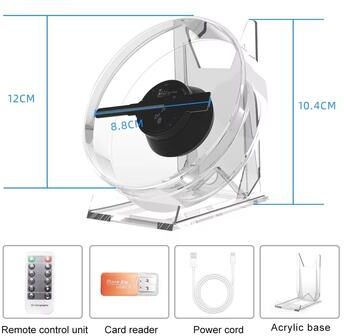
Inspired Finds 4.72in Mini 3D Hologram Fan USB Advertising Display Light 4.72in Mini 3D Hologram Fan USB Advertising Display LightTurn any counter, shelf, or event table into an attentiongrabbing display with this mini 3D hologram fan. Designed to create floatingstyle visuals with a compact spinning LED setup, it adds a futuristic look that feels far more exciting than an...93,99 $*Shipping: 0,00 $Secure redirect to the provider
-
Drop Dash Deals Waterproof Double Sided LED Advertising Light Box Illuminated Sign Board Waterproof Double Sided LED Advertising Light Box Illuminated Sign BoardStep into a brighter way to show off your brand with this premium 1 pc of LED advertising light box that instantly elevates visibility day and night. Designed for business owners, shopkeepers, and event promoters who want their message seen, its...229,97 $*Shipping: 0,00 $Secure redirect to the provider

-
With which pronouns do many people confuse reflexive pronouns?
Many people confuse reflexive pronouns with personal pronouns. For example, they may use "myself" or "yourself" instead of "me" or "you" in a sentence. This confusion often occurs when people are trying to emphasize the subject of the sentence, but they mistakenly use a reflexive pronoun instead of a personal pronoun. It's important to understand the difference between reflexive and personal pronouns in order to use them correctly in sentences. **
-
What are pronouns?
Pronouns are words that are used in place of nouns to avoid repetition in a sentence. They can refer to people, places, things, or ideas. Pronouns help make sentences clearer and more concise by replacing specific nouns with general words like "he," "she," "it," "they," and "we." Using pronouns also helps to maintain the flow of writing and make it more engaging for the reader. **
-
Which pronouns do many people often confuse with reflexive pronouns?
Many people often confuse reflexive pronouns with intensive pronouns. Intensive pronouns are used to emphasize a preceding noun or pronoun, while reflexive pronouns are used when the subject and object of a sentence are the same. For example, "I myself will do it" uses an intensive pronoun, while "I hurt myself" uses a reflexive pronoun. It is important to understand the distinction between these two types of pronouns to use them correctly in sentences. **
-
What is the difference between personal pronouns and reflexive pronouns?
Personal pronouns are used to refer to people or things, such as "I," "you," "he," "she," "it," "we," and "they." Reflexive pronouns, on the other hand, are used when the subject and object of a sentence are the same person or thing, such as "myself," "yourself," "himself," "herself," "itself," "ourselves," and "themselves." Reflexive pronouns are used to reflect the action back onto the subject, while personal pronouns simply refer to the subject or object. **

Can you help me with personal pronouns and possessive pronouns?
Certainly! Personal pronouns are used to replace nouns in a sentence, such as "I", "you", "he", "she", "it", "we", and "they". Possessive pronouns show ownership or possession, such as "mine", "yours", "his", "hers", "ours", and "theirs". If you need help understanding how to use these pronouns in a sentence or identifying which pronoun to use in a specific context, feel free to ask for more guidance. **
What is the difference between relative pronouns and demonstrative pronouns?
Relative pronouns are used to connect a clause or phrase to a noun or pronoun. They include words like "who," "whom," "whose," "which," and "that." Demonstrative pronouns, on the other hand, are used to point out specific things or people. They include words like "this," "that," "these," and "those." While relative pronouns connect a clause to a noun, demonstrative pronouns simply point out or identify something. **
Top-Angebote
Products related to Pronouns:
-
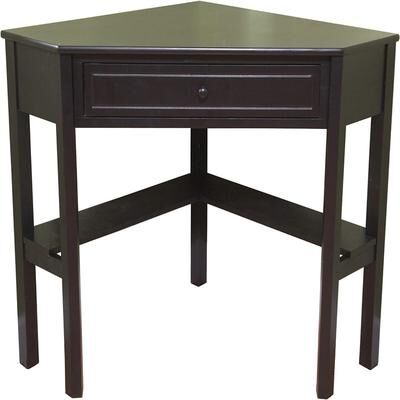
No Marketing Systems Wood Corner Desk"The corner desk measures 42"" X 28"" X 30"" And Weighs 42 lbs. Arrives with only minimal Assembly required. Comfortably fitting in any home, studio, apartment, and office, The small corner writing desk maximizes space in compact rooms."258,89 $*Shipping: 0,00 $Secure redirect to the provider
-
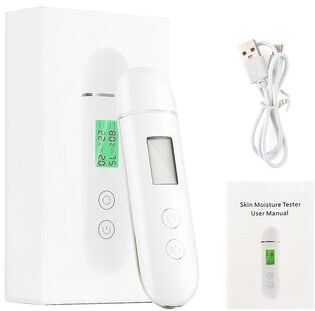
Youfap Market Portable Digital Skin Tester For Face Moisture Oil Elasticity And Skin Age Analysis Portable Digital Skin Tester For Face Moisture Oil Elasticity And Skin Age AnalysisHealthy skin begins with understanding what it truly needs. This compact digital skin tester helps you quickly measure hydration, oil balance, and skin condition in seconds, giving you real insights into your skincare routine. Designed for beauty...49,97 $*Shipping: 0,00 $Secure redirect to the provider
-
Useful Little Things Digital Skin Analysis Meter And Fluorescent Detection Device whiteChoosing the right skincare routine can feel like guesswork when you rely solely on how your face looks in the mirror. You might apply heavy moisturizing creams to skin that is already overloaded with oil, or use stripping cleansers on a skin...69,97 $*Shipping: 0,00 $Secure redirect to the provider
-
Harvard Business Review Press Harvard Business Review HBR’s 10 Must Reads 5 Book Collection Set – Essential Business, Leadership & Management GuidesHBR's 10 Must Reads 5 Books Collection Set Description On Emotional Intelligence If you read nothing else on emotional intelligence; read these 10 articles by experts in the field. We euro; ve combed through hundreds of articles in the Harvard Business Review archive and selected the most important ones to help you boost your emotional skills euro; and your professional success. Mental Toughness If you read nothing else on mental toughness; read these ten articles by experts in the field. We've combed through hundreds of articles in the Harvard Business Review archive and selected the most important ones to help you build your emotional strength and resilience--and to achieve high performance. The Essentials Change is the one constant in business; and we must adapt or face obsolescence. Yet certain challenges never go away. That's what makes this book 'must read.' These are the 10 seminal articles by management's most influential experts; on topics of perennial concern to ambitious managers and leaders hungry for inspiration--and ready to run with big ideas to accelerate their own and their companies' success. Change Management If you read nothing else on change management; read these 10 articles (featuring 'Leading Change; euro; by John P. Kotter). We've combed through hundreds of Harvard Business Review articles and selected the most important ones to help you spearhead change in your organization. Strategy If you read nothing else on strategy; read these 10 articles (featuring 'What Is Strategy? euro; by Michael E. Porter). We've combed through hundreds of Harvard Business Review articles and selected the most important ones to help you catalyze your organization's strategy development and execution.37,98 £*Shipping: 0,00 £Secure redirect to the provider
-
What are demonstrative pronouns and relative pronouns?
Demonstrative pronouns are pronouns that are used to point to specific things or people. Examples of demonstrative pronouns include "this," "that," "these," and "those." Relative pronouns are pronouns that introduce dependent clauses and connect them to independent clauses. Examples of relative pronouns include "who," "whom," "whose," "which," and "that." **
-
Why are demonstrative pronouns called demonstrative pronouns?
Demonstrative pronouns are called demonstrative because they demonstrate or point to a specific noun or pronoun in a sentence. They help to indicate the position or location of the noun or pronoun in relation to the speaker or listener. By using demonstrative pronouns such as "this," "that," "these," and "those," speakers can make their communication more precise and clear by specifying which person, place, thing, or idea they are referring to. **
-
With which pronouns do many people confuse reflexive pronouns?
Many people confuse reflexive pronouns with personal pronouns. For example, they may use "myself" or "yourself" instead of "me" or "you" in a sentence. This confusion often occurs when people are trying to emphasize the subject of the sentence, but they mistakenly use a reflexive pronoun instead of a personal pronoun. It's important to understand the difference between reflexive and personal pronouns in order to use them correctly in sentences. **
-
What are pronouns?
Pronouns are words that are used in place of nouns to avoid repetition in a sentence. They can refer to people, places, things, or ideas. Pronouns help make sentences clearer and more concise by replacing specific nouns with general words like "he," "she," "it," "they," and "we." Using pronouns also helps to maintain the flow of writing and make it more engaging for the reader. **
Similar search terms for Pronouns
-
Inspired Finds 4.72in Mini 3D Hologram Fan USB Advertising Display Light 4.72in Mini 3D Hologram Fan USB Advertising Display LightTurn any counter, shelf, or event table into an attentiongrabbing display with this mini 3D hologram fan. Designed to create floatingstyle visuals with a compact spinning LED setup, it adds a futuristic look that feels far more exciting than an...93,99 $*Shipping: 0,00 $Secure redirect to the provider
-
Drop Dash Deals Waterproof Double Sided LED Advertising Light Box Illuminated Sign Board Waterproof Double Sided LED Advertising Light Box Illuminated Sign BoardStep into a brighter way to show off your brand with this premium 1 pc of LED advertising light box that instantly elevates visibility day and night. Designed for business owners, shopkeepers, and event promoters who want their message seen, its...229,97 $*Shipping: 0,00 $Secure redirect to the provider
-
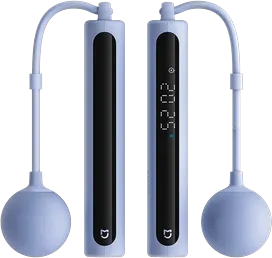
Inspire Daily Merch Smart Rope Skipping With Bluetooth Digital Display Precise Counting And Mihome App Data Analysis blueTransform Your Fitness Routine with Smart Rope Skipping 2 The New Smart Rope Skipping 2 is the perfect companion for fitness enthusiasts. This innovative jump rope features a precise counting digital display screen that tracks your every jump with...139,97 $*Shipping: 0,00 $Secure redirect to the provider
-
Headline Review Sheila O'Flanagan 6 Books Collection Set – Heartwarming Romance Fiction CollectionThe Women Who Ran Away Deira isn't the kind of woman to steal a car. Or drive to France alone with no plan. But then, Deira didn't expect to be single. Or to suddenly realise that the only way she can get the one thing she wants most is to start breaking every rule she lives by.Her Husband's Mistake Roxy's marriage has always been rock solid.After twenty years, and with two carefree kids, she and Dave are still the perfect couple.Until the day she comes home unexpectedly, and finds Dave in bed with their attractive, single neighbour.Three Weddings and a Proposal The second wedding is unexpected. By the third, Delphie thinks nothing could surprise her. But she's wrong . . .Delphie is enjoying her brother's wedding. Her surprise last-minute Plus One has stunned her family - and it's also stopped any of them asking again why she's still single.The Missing Wife When Imogen Naughton vanishes, everyone who knows her is shocked. She has a perfect marriage. Her handsome husband treats her like a princess. She's always said how lucky she is. So why has she left? And how will she survive without Vince?The Hideaway Juno Ryan thought life was going well. The divorce is behind her, she loves her job, and she's been seeing Brad, a doctor who seems to have fallen as much in love with her as she has with him. Then one morning Brad's face appears on the TV screen in a news report.If You Were Me You're engaged to a great man. You're on a countdown to your wedding day. You stopped thinking about your first love a long time ago.But what if one unexpected, forbidden kiss were to throw your life upside down?18,95 £*Shipping: 2,99 £Secure redirect to the provider
-
Which pronouns do many people often confuse with reflexive pronouns?
Many people often confuse reflexive pronouns with intensive pronouns. Intensive pronouns are used to emphasize a preceding noun or pronoun, while reflexive pronouns are used when the subject and object of a sentence are the same. For example, "I myself will do it" uses an intensive pronoun, while "I hurt myself" uses a reflexive pronoun. It is important to understand the distinction between these two types of pronouns to use them correctly in sentences. **
-
What is the difference between personal pronouns and reflexive pronouns?
Personal pronouns are used to refer to people or things, such as "I," "you," "he," "she," "it," "we," and "they." Reflexive pronouns, on the other hand, are used when the subject and object of a sentence are the same person or thing, such as "myself," "yourself," "himself," "herself," "itself," "ourselves," and "themselves." Reflexive pronouns are used to reflect the action back onto the subject, while personal pronouns simply refer to the subject or object. **
-
Can you help me with personal pronouns and possessive pronouns?
Certainly! Personal pronouns are used to replace nouns in a sentence, such as "I", "you", "he", "she", "it", "we", and "they". Possessive pronouns show ownership or possession, such as "mine", "yours", "his", "hers", "ours", and "theirs". If you need help understanding how to use these pronouns in a sentence or identifying which pronoun to use in a specific context, feel free to ask for more guidance. **
-
What is the difference between relative pronouns and demonstrative pronouns?
Relative pronouns are used to connect a clause or phrase to a noun or pronoun. They include words like "who," "whom," "whose," "which," and "that." Demonstrative pronouns, on the other hand, are used to point out specific things or people. They include words like "this," "that," "these," and "those." While relative pronouns connect a clause to a noun, demonstrative pronouns simply point out or identify something. **
* All prices are inclusive of VAT and, if applicable, plus shipping costs. The offer information is based on the details provided by the respective shop and is updated through automated processes. Real-time updates do not occur, so deviations can occur in individual cases. ** Note: Parts of this content were created by AI.